0

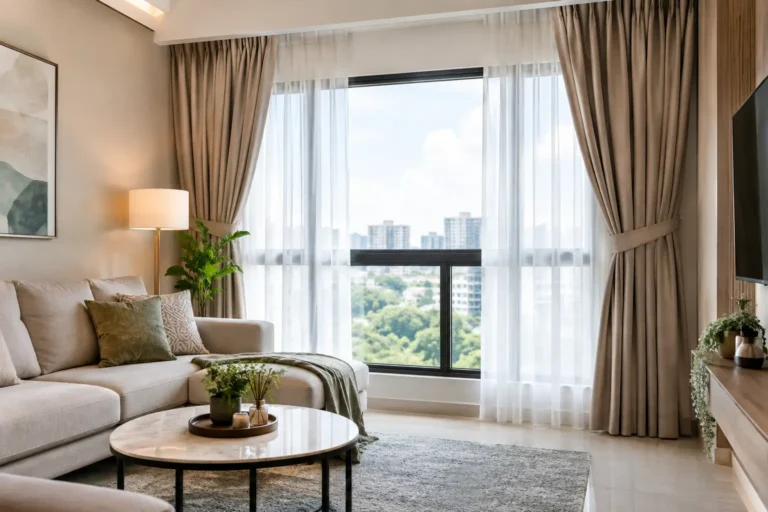
What Happens at a Custom Curtains Consultation?
Learn what a custom curtains consultation covers, from measuring windows and choosing fabric to managing privacy, light gaps and installation planning.
READ MORE →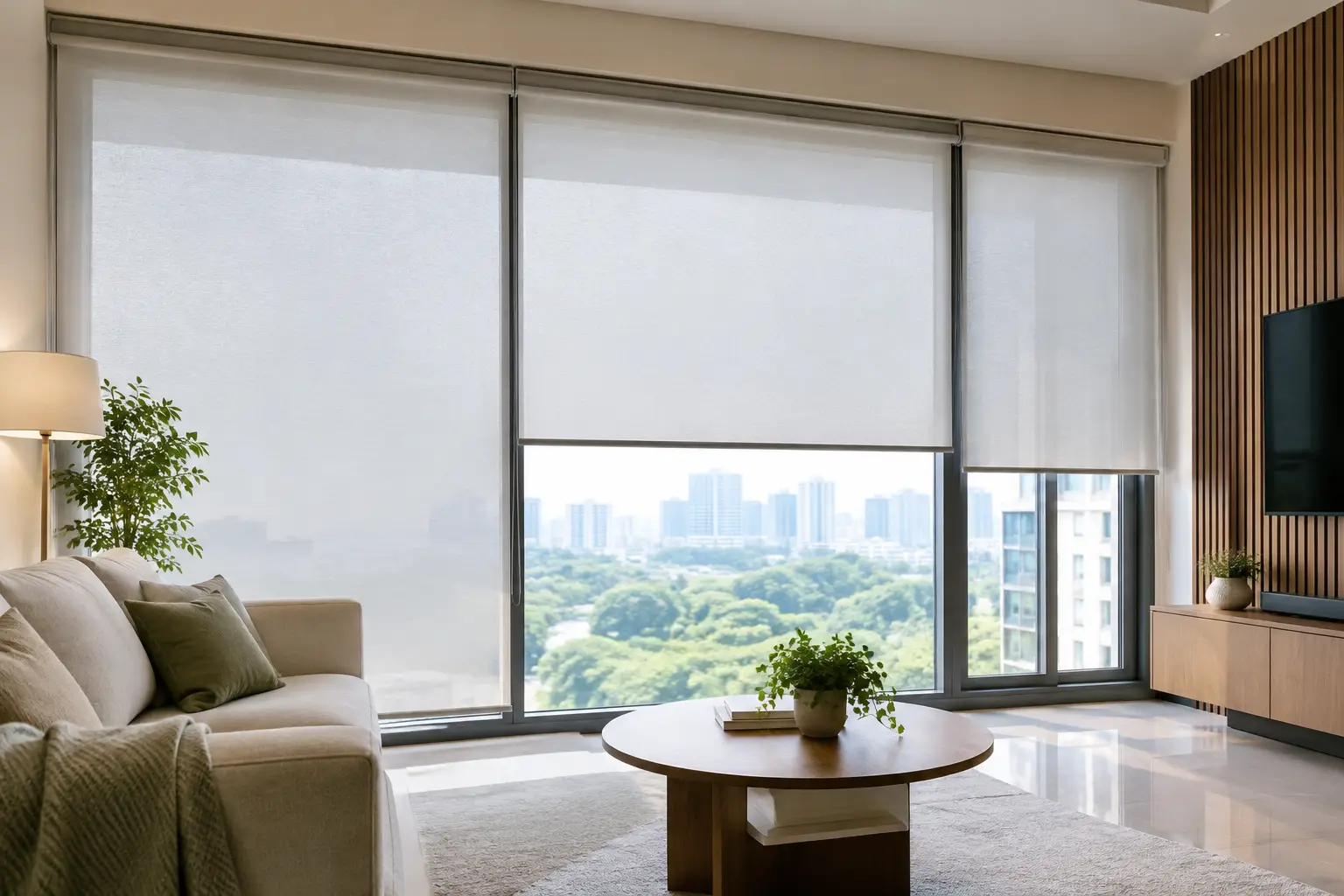

Curtains become inconvenient when they are hard to reach, heavy to pull or adjusted several times a day. So, are motorised curtains worthwhile? For many homes, particularly those with wide, tall or frequently used windows, they are. The value is not simply in pressing a button. It lies in easier daily use, more consistent privacy and light control, and a neater finish for a well-planned room.
They are not necessary for every window, however. A small bedroom window with lightweight curtains may work just as well with a manual track. The sensible choice depends on the curtain size and fabric, window position, room use, electrical planning and budget.
Are motorised curtains worthwhile for most Singapore homes? They usually add the most value when curtains are wide, heavy, hard to reach or adjusted several times a day. They can also improve privacy, glare control and daily convenience. For small, easily reached windows that are used infrequently, a well-fitted manual track is usually the simpler choice.
See a completed Sincere Interior motorised curtain installation, demonstrating smooth everyday operation in a real project setting.
Motorised curtains make the most sense when manual operation is awkward. They also add value when curtains play an active role in privacy, glare or daily light control. Singapore homes often have strong afternoon sun, close neighbouring blocks, large condominium glazing or high landed-home windows. In these situations, being able to close curtains quickly and reliably can make a noticeable difference to comfort and privacy.
They are especially practical for day and night curtain arrangements. During the day, homeowners can close the sheer layer to soften glare while keeping the room bright. At night, they can close the blackout or dim-out layer for privacy. With motorisation, this change does not require walking from window to window, which is useful in a living room with a long run of curtains.
Motorisation also removes the need to tug at the fabric. Motorisation can help ripple fold and S-fold curtains keep their shape by moving the folds evenly along the track. It is still important to use the right fabric weight and track system. A motor cannot compensate for a poorly specified curtain or an uneven installation.
This is the clearest case for motorisation. Full-height curtains across wide balcony doors or double-volume spaces can become heavy, especially with lined blackout fabric. The same applies to high stairwell windows in landed homes. Pulling them by hand may cause the leading edge to twist, the folds to bunch or the curtain to drag unevenly.
A correctly sized motor and properly fitted track move the curtains at a steady pace. This makes a substantial curtain easier to use and reduces strain on the track fittings. For windows above a staircase, behind a sofa or at a high level, motorisation may be the only realistic way to operate the curtains regularly.
In an HDB, BTO flat or condominium, the living room often faces another block, a common corridor or a busy road. Sheer curtains provide daytime privacy, but indoor lighting can reveal the room after dark. A motorised day and night curtain arrangement makes it simpler to manage both layers as the light changes.
Closing curtains before strong afternoon sun reaches a west-facing window can reduce television glare and improve comfort. Curtains should not be treated as a replacement for air-conditioning or solar-control glass, but the right fabric and lining can improve day-to-day comfort.
Motorised blackout curtains suit people who work shifts, wake at different times or want to darken the room without leaving bed. They can also work well in children’s bedrooms. However, fabric, track position and side gaps still determine the final darkness.
A common misunderstanding is that blackout fabric guarantees a completely dark room. It does not. Light can enter above the track, at the sides, between two centre-opening panels and around the window frame. A professional site assessment should check how far the track can extend beyond the window, whether the wall provides enough clearance and whether ceiling mounting can reduce light gaps.
Depending on the motor, homeowners can control the curtains by remote, wall switch, app or compatible smart-home system. This can be useful for a household that already uses automated lighting or air-conditioning routines. Scheduled controls can open or close the curtains around the household’s daily routine.
Choose smart features only when they solve a genuine need. A reliable remote may be all that is needed for one set of curtains. For several windows across a larger home, grouped controls or scheduled opening and closing may be more useful.
Motorised curtain systems also differ in how smoothly and quietly they operate. Somfy Singapore’s IZIGO Ultra curtain motor, for example, includes quiet operation, soft start and stop, touch-motion control and manual operation during a power failure. These features show why the motor, track and curtain weight should be planned as one complete system rather than selected separately.
The motor is only one part of the installation. The curtain track, fabric, heading style, wall or ceiling condition and electrical arrangement all affect performance.
Select the track and motor to suit the actual width and weight of a heavy lined curtain. Lightweight sheers need different planning. The fabric should glide freely while retaining enough fullness to hang well when closed. Ripple fold and S-fold curtains need accurately spaced carriers so the waves remain even from end to end. If the stack-back area is too small, the open curtains may cover part of the glass and reduce the view or daylight.
Track placement matters as much as the fabric. In a compact BTO bedroom, double tracks for sheers and blackout curtains require more ceiling depth than a single track. They must also clear air-conditioning trunking, pelmets, cabinetry and window handles. At a balcony door, the curtains need to stack far enough away from the opening so that access remains comfortable.
For mains-powered motorisation, plan electrical points during renovation before contractors complete false ceilings and carpentry. Retrofitting remains possible in many homes. However, assess cable routes and visible trunking carefully before deciding. Rechargeable or battery-operated options may suit some homes. Consider charging access and expected usage before choosing them.
Manual curtains remain a sensible option for many rooms. They cost less upfront, have fewer components and are easy to use on a short, accessible window. A well-installed manual track with suitable fabric can operate smoothly for years.
Motorisation becomes more compelling as curtain width, weight and access difficulty increase. It also has a lifestyle advantage when privacy and sun control need regular adjustment. The decision is less about whether automation is a luxury and more about whether it will be used often enough to justify the additional investment.
If budget is limited, it may be sensible to motorise the main living-room curtains first and keep secondary bedrooms manual. You can also choose tracks that support future motorisation where the system allows it. Confirm this before installation.
Motorised blinds can be a better fit for certain windows. Roller blinds often suit kitchens, studies and compact bedrooms where curtain stack-back would consume valuable side space. They provide tidy glare control and can be raised to expose the full window.
Curtains generally offer a softer look and greater flexibility for layered day and night use. They can also cover wider spans and help soften the acoustics of a room. For bedrooms that need stronger darkness, blackout curtains with well-planned track coverage often outperform a standard roller blind. The final result still depends on fit and side gaps.
For moisture-prone areas or windows close to cooking activity, the material choice needs care. Fabric curtains are usually less suitable directly beside a hob or in a location exposed to grease and humidity. A blind material that can be wiped more easily may be the practical choice.
Before ordering motorised curtains, consider how the room changes through the day. Decide whether you need daytime privacy, glare reduction, stronger blackout performance or simply easier operation. Check where the curtains will stack when open, whether the window can still be accessed, and whether there is sufficient space for one or two tracks.
It is also worth considering cleaning and after-sales needs. Vacuum curtains gently with an upholstery attachment or follow the fabric supplier’s care instructions. Keep tracks clear of dust and obstructions. Install the motor, power source and controls where technicians can reach them for servicing.
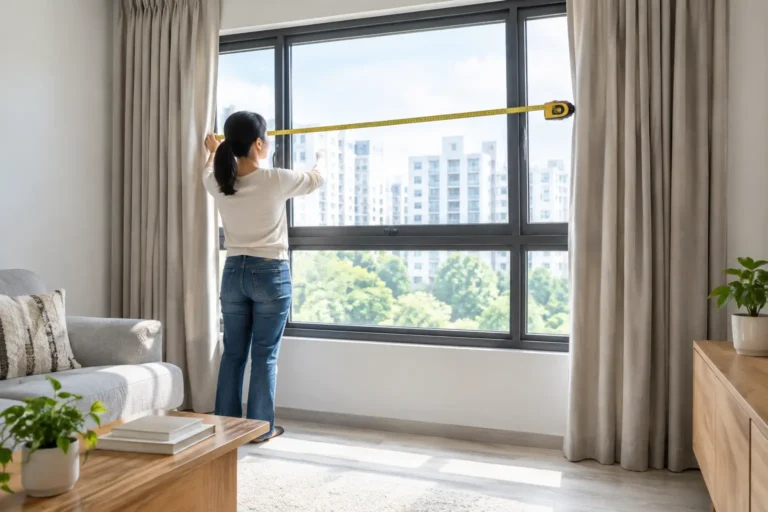
A site measurement brings these details together. An experienced curtain specialist can assess window dimensions, ceiling conditions, fabric weight, light-control needs and installation constraints before recommending the track and motor arrangement.
The right motorised curtains should make the room easier to live in every day. If a window is large, hard to reach or central to your privacy and sunlight control, that convenience can be worthwhile long after the renovation is complete.
Ultimately, are motorised curtains worthwhile? They are when motorisation solves a genuine daily need, such as managing wide curtains, difficult-to-reach windows, frequent privacy adjustments or strong afternoon glare.
Serving Singapore since 1976, Sincere Interior Service treats motorisation as part of the complete curtain system rather than an add-on. During a site consultation, our team assesses window size, fabric weight, track position, stack-back, power access and light-control needs before recommending a setup. Professional measurement, Singapore-based custom production and installation help ensure the curtains remain practical to use long after installation.
Not sure which curtain style, fabric or system suits your home? Speak with our team for personalised recommendations for your space.
GET IN TOUCH →